
High quality and high yield, the golden combination for Hazera onions

Hazera, part of Limagrain Group, is a specialist in the development, production and marketing of onion seed. The breeders have been working on strong varieties of excellent quality since the 1950s. The distribution of new, improved onion varieties is a slow process that can sometimes take more than 25 years. It is therefore important to have a good vision of what the market needs. What are the trends?


“For years the focus within the company has been on breeding and cultivation in the local markets, but since 2008, when Hazera was formed in its current form, there has been a complete global focus,” said Reinout de Heer, Global Product Manager Allium. “Onions are sensitive to day length. The length of the day determines the moment of bulb formation of the onion. Different varieties are therefore more or less suitable for cultivation per day length zone; from short day onions to extra long day onions. Due to the global focus, development programs and knowledge can be combined. This has given the worldwide cultivation, production and sale of high-quality onion seed a significant boost.”

More sales opportunities
Onions are a daily ingredient in the kitchen for many people worldwide. And although an onion is not sold at variety level in the supermarket. There you just buy a yellow, white, pink or red onion. The variety is important to the growers. Pablo Salgado, Onion Breeder: “They are focussing on disease resistance, skin quality, firmness and yield. Hazera is constantly working on innovations in this area in order to achieve the best onion with the highest yield for growers, processors and buyers. An example is the development of varieties that are suitable for multiple processing options, so that the grower has more possibilities in terms of sales opportunities.”

Growth
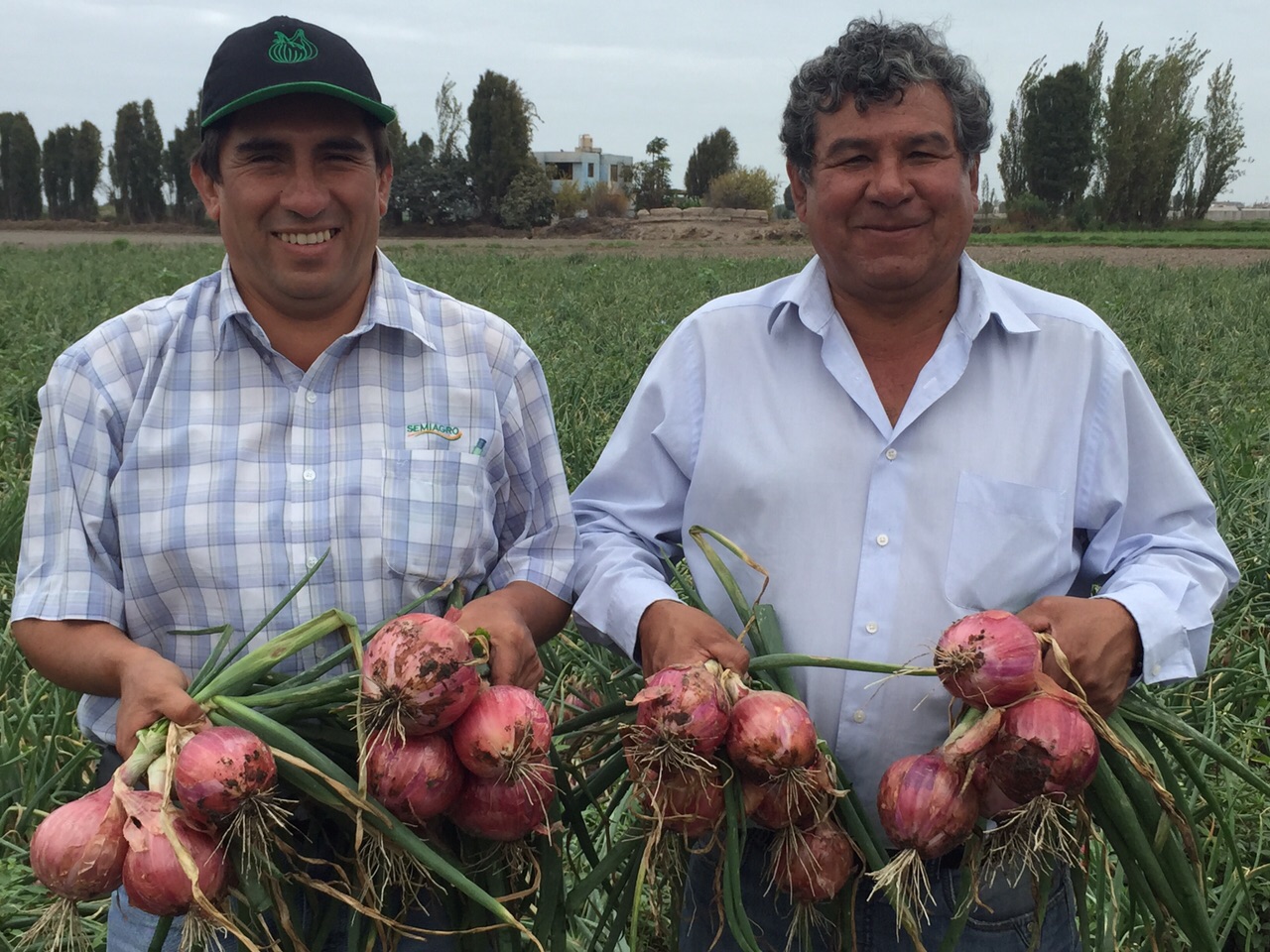
Semiagro, Peru: “The Peruvian onion market has grown thanks to the fantastic work of the collaboration between Semiagro and Hazera. With 17,500 hectares of planted cultivation area, the onion crop is positioned as the highest-producing vegetable in the Peruvian market.
The national consumption of pink onions represents 83% and 17% for the export market (mainly granex for the US). In addition, the conditions for the onion grower have improved, the possibilities for the national and export potential market for wholesalers have increased and the consumer has access to better quality onions.”

Superior material
Semiagro and Hazera have been working together for more than two decades on the development of hybrid onion varieties in Peru. Today, the Sivan F1 is the leading variety on the market and is recognized throughout the chain for its characteristics: excellent post-harvest, good skin retention, beautiful color and thin necks.

There are already promising trials for early onions. Year after year we see superior material from 3 new varieties (10414, 10416 and 10417), the result of 19 years of trials.”

Harvesting by machine
Within the yellow short day onions segment, the trend is to produce more uniform round onions. A change that is necessary, because manual harvesting and processing is becoming too expensive. Pablo: “By making sure the onions are more uniform and round, they can be harvested and sorted more easily by machine. Maintaining qualities such as firmness, skin retenation and disease resistance is very important.”

Dean Pye, Pye Produce harvesting Rhinestone onions in Canterbury 13 March 2019
Copyright photo © Steve McArthur / www.vigour.nz


Golden combination
In New Zealand and the Netherlands, many onions are destined for export. Reinout: “The onions must also remain of high quality during and after transport. Skin retention and firmness are important elements for good quality onions. In addition, the net yield must be good. As a grower you can get a high yield from the field, but in the end you get paid for the yield upon delivery. Excellent quality and high net yield is the golden combination.

Rhinestone
Steve McArthur – Vigour, New Zealand: “Ten years ago, the New Zealand onion industry was upgraded with the first large-scale planting of the Dutch-bred onion, Rhinestone. The onion yield for the growers has increased by more than 10% since then. Rhinestone leads the way in terms of reliability and quality, not only for growers, but also for others in the chain, such as exporters, packers and retailers.

Listening to local growers
Hazera’s breeders first listened to local growers. They created Rhinestone by combining local New Zealand genetics with the best genetics from other regions. The result: a hybrid with geographical adaptability, but also a long shelf life, high yield, great taste, firm bulbs and very good skin retention.

New Zealand plays an important role in filling the gap between the old and new season onions in Western Europe. Shipping onions for a journey across the equator for six to ten weeks requires an onion with many excellent qualities.
Rhinestone offers growers the certainty that they deliver quality to the other side of the world.

Climate and red onions
Other developments that Hazera is paying attention to are irrigation solutions and red onions. Pablo: “The climate is changing. We are conducting tests so that we can respond effectively to longer periods of drought or more precipitation.” Reinout continues: “And the market for red onions is growing. We are expanding our portfolio in all segments. Both in the short day and in the extra long day, with our latest introduction, for example, the Redrover. This extra long day red onion has a long shelf life and is very suitable for use in salads.”
Onion Sivan

More News

What Plant Viruses Can Teach Us About Human Viruses – COVID-19

Written by: Dr. David Levy,
Plant Pathologist, Hazera

Globalization of our world over the past several decades has driven a huge increase in the global movement of biological material, providing numerous opportunities for the spread of diseases in a relatively short time.

Infectious plant diseases can cause minor damage, while others may cause a huge epidemic capable of destroying an entire crop. In the case of plant viruses, there is no cure for the infected plant, since plants lack a real immune system of the type animals and humans have. Therefore, the most efficient solution to combat the problem is to prevent plants from being infected by applying preventive hygiene measures.

plant viruses

Sounds familiar?! Now, in 2020, most people comprehend this logic as the world faces a critical and challenging period due to the COVID-19 human virus pandemic. As the virus spreads throughout the world, it is affecting and changing our routine life.

Hazera, as a seed company, is heavily invested in research and in the development and production of high-quality varieties. We have acquired knowledge and practices in fighting pests and viruses that may threaten the yields and the quality of our varieties – our products.

In this fight against viruses, it is key to understand that every pathogen has a disease cycle, which is the way the virus infects, reproduces and spreads. This can also be called the epidemiological triangle:

epidemiological triangle

Knowing your pest, reliable and professional detection methods, good methodology for sampling and monitoring the population and early detection in case of a disease outbreak are important and practical key points in controlled disease management.

 width=

This is not the first time that humanity has encountered a devastating pandemic. However, in the past, such outbreaks of disease were generally local or regional epidemics due to limited global transportation and movement of population.

epidemiological triangle

How can implementing a quarantine contribute to stopping the spread of the virus?

Quarantine – a procedure developed during the 14th century to protect coastal cities from disease epidemics. Ships arriving in Venice from infected ports were required to moor in the harbor for 40 days (quaranta giorni) before disembarking, a practice known as quarantine.

Currently, we are all learning the importance of quarantine safety measures and can now appreciate the significant social impact of quarantine restrictions on suspected virus carriers.

 width=

The strategy used in the case of plant viruses is very similar. But quarantine in itself is insufficient to fight and defeat epidemics. Avoidance or prevention are the best strategy for plant viruses and are efficient for specific human populations (high risk groups) in the case of human viruses. It is better and more cost effective to make every effort to prevent the virus from entering our fields or greenhouses, in the case of plant viruses, or into countries or communities in the case of human viruses. This can be achieved by three important elements known as MDM.

Measures – use of disinfectants, gloves, coats, masks, coveralls and additional protective means
Discipline – everyone must follow the guidelines and instructions strictly and precisely
Management – the process is led by professionals backed by the full commitment of the top administrative level

 width=

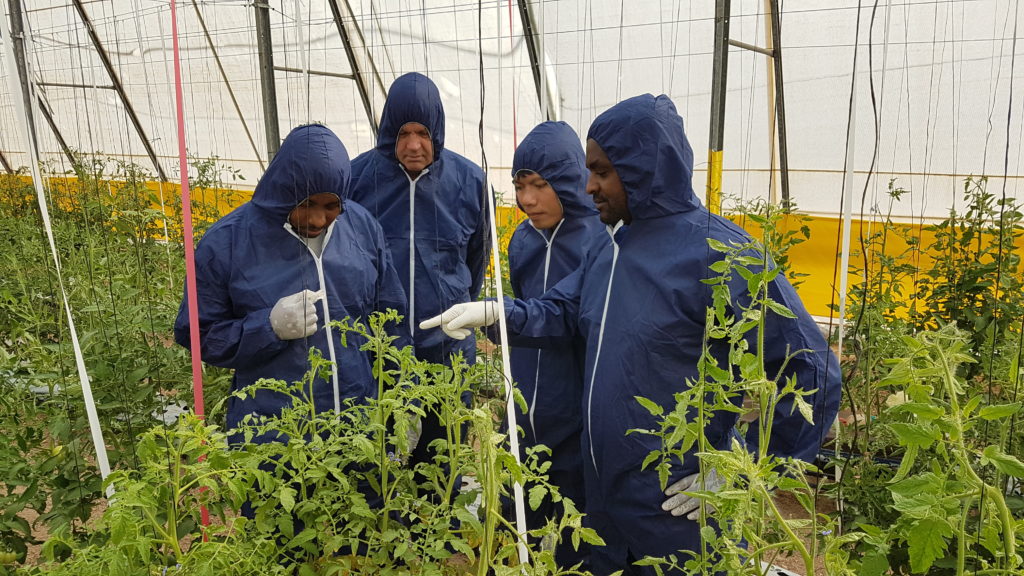
As a matter of fact, all the measures implemented in the fight against COVID-19 are very similar to those used against plant viruses, except for the use of masks, since plants do not inhale air into lungs. Contact, survival of the virus on surfaces, clothing and tools – even smartphones – apply in both cases.

asymptomatic carrier as a risk factor
Discipline is mandatory and critical to the success of the strategy, along with applying restrictions and hygiene measures. Even one person who does not comply with the restrictions is enough to cause an outbreak and secondary spread of a disease – in both plants and human viruses.

Take care!
In disease management, prevention is the most efficient strategy

More News

Hazera is an imminent global cucumber specialist

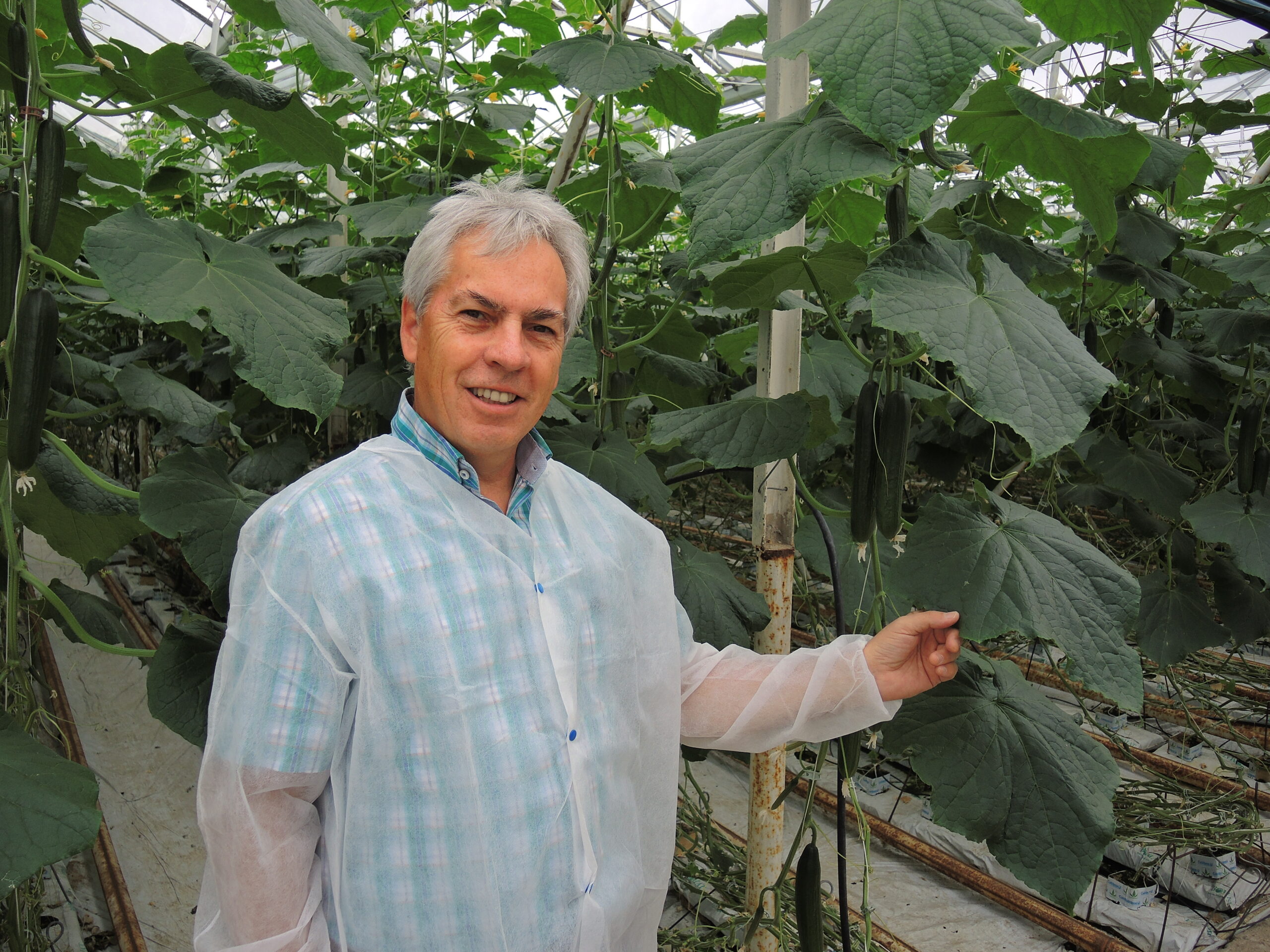
The vegetable seed company Hazera has a long history of growing cucumbers. Hazera contributed to the birth of improvements in cucumber genetics, especially in the minicucumber. While continuing these improvements, the company is also adopting other varieties, conquering new markets and exploring new marketing possibilities. A roundup of the latest developments with Hazera’s Global Cucurbit Product Manager, Mark van der Zouwen.
Hazera, un inminente especialista global del pepino
Beit Alfa pepinoCucumber comes in a wide range of varieties, from 10cm baby cucumbers for snacking to the famous 30cm cucumbers for non-heated or high-tech heated greenhouses, with mini cucumbers (also known as beit alpha), slicers, varieties for making pickles, as well as a wide variety of Asian varieties. Mark van der Zouwen tells us, “The Hazera story began with the mini cucumber, which is mainly grown in non-heated greenhouses in the Mediterranean region, the Middle East, Central Asia, as well as in the Americas. Today mini cucumbers are also grown in heated greenhouses in North America and Northern Europe. Currently, Hazera covers the entire range. Since the 1980s we have introduced many groundbreaking innovations; for example, significant improvements in fruit quality (uniform shape and colour), a drastic improvement in production, adaptability to different growing conditions and, more recently, long shelf life. In the early eighties we also began to specialize in the long variety for non-heated greenhouses, especially in the Mediterranean region. Here we introduced similar innovations, including extended shelf life (many will remember the Suprami variety), and recently created varieties with combined resistance to both powdery mildew and viral diseases such as CVYV and CYSDV.

minipepinos In mini varieties, Hazera is currently among the top 3 cultivation companies in the world, with varieties very well adapted to the Mediterranean, Middle East and Central American markets, «Our market shares in mini varieties they are growing steadily, and we have expanded our cultivation activities, locating them in the very center of these regions. In addition to the highly successful varieties for spring-summer such as Bereket and Dennis, we are now launching new varieties also for the most stressful cold season as successors to Cohiba. A very interesting development is the midi cucumber for heated greenhouses like our Nikifor spring-autumn variety, which is giving high yields and high fruit quality, for example in Poland, where high-tech growers are using it.”, Mark said. Recently the Hazera crop has also been preparing strong business prospects with the baby cucumber, with 8-12cm fruits, which are rapidly gaining popularity in many markets where healthy snacks and convenience are seeing a real boom. The long variety is receiving a lot of attention once again, boosted by new cultivation activities in Spain. Here, Hazera recently launched the highly successful Batallón variety for Almería and the Granada region. Mark tells us, “This is a winter variety with excellent color, length and durability, and virus resistance. We are sure that the development in the cultivation of long cucumbers in Spain will have a positive consolidation in other regions with similar growing conditions, such as Greece, Mexico, Oceania and South Africa.”

larga pepinoOne of the latest developments is activities to enter the Chinese market, for which Hazera has recently started cultivation activities. Mark tells us, “With our wealth of experience as a solid foundation, our ambition is to incorporate the needs and varieties for the Chinese market into our programs. If we want to establish ourselves as a global specialist, we must be present in this growing market, which is the largest in the world and very open to innovations. China’s cultivation and consumption are very different from those in other regions. Therefore, we must be very attentive and respect the needs and traditions of the Chinese, while offering innovation in our products.” What will the future look like in cucumber for Hazera? Mark replies, “We will extend our farming activities to all important regions for this global harvest. Our rich gene pool will be used to create a genetic diversity perfectly suited to the main production areas. Disease resistance, especially root and viral diseases, will be crucial, and could be a way to avoid costly grafting. We will adapt our varieties to high-yield cultivation techniques. And last but not least, we will develop products that meet the needs of the entire fresh produce chain. The objective is to search for possible innovations to convert bulk products into products that offer greater convenience and ensure greater added value for consumers. After all, they are the ones who consume the final product and for whom we work day after day.”

More News

Tomatoes and their various nutritional benefits

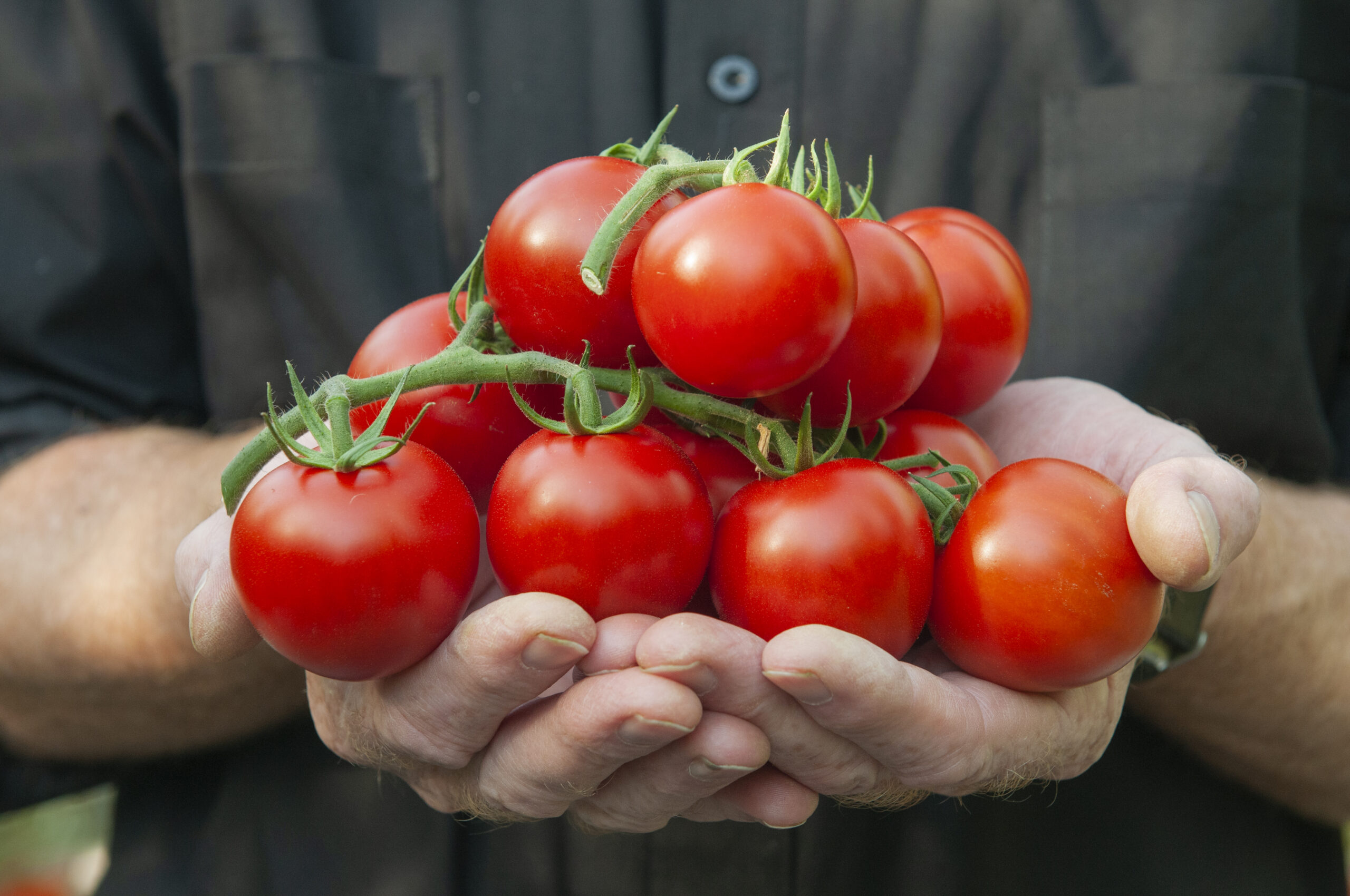
The tomato is a popular and nutritious fruit that we usually refer to and use regularly as a vegetable. Tomatoes contain a wide variety of nutrient and non-nutrient substances with proven health benefits. These components work together to create the healthy qualities of the tomato.

Tomato components and their health benefits:

Lycopene

Lycopene is a fat-soluble substance found in the blood and in the tissues of the testicles, adrenal glands, liver, prostate, breast, colon, and lungs. Tomato products contain higher concentrations of lycopene than any other plant source, although lycopene is available in other plant foods, such as watermelon, papaya, red grapefruit, and guava.

Lycopene is a powerful antioxidant and may help reduce the risk of some types of cancer and cardiovascular disease. Since lycopene is responsible for giving tomato its red color, the redder the fruit, the greater the amount of lycopene it contains.

Vitamin C

An essential vitamin that also acts as an antioxidant. It can help lower blood pressure and cholesterol levels. Vitamin C contributes to the formation of connective tissue, maintains the health of capillaries, thereby preventing minor bruising, and keeping gums healthy. It also helps the body access non-heme iron or iron from herbal sources. A medium-sized tomato supplies almost half of the amount of vitamin C recommended for daily consumption.

Vitamin A

An essential vitamin important for normal cell growth. Helps the development of healthy skin, hair and mucous membranes. Supports proper vision, development of bones and teeth, and reproduction. Tomatoes contain beta-carotene, a phytochemical that the body converts to vitamin A after you consume it.

Vitamin K

An important vitamin for blood clotting, which helps prevent haemorrhage (excessive, uncontrolled bleeding). Vitamin K is also important for bone health through mineralization. Vitamin K can be obtained from foods such as tomatoes, although it can also be produced by bacteria in the intestines.

Potassium

An essential mineral that helps regulate blood pressure and muscle contractions. It can reduce the risk of kidney stones and bone loss.

Dietary fiber

The part of an edible plant resistant to digestion. Dietary fiber can help digestion by preventing constipation. Tomatoes also contain, in smaller amounts, many other vitamins, minerals, and other healthy substances. These include: various B vitamins (including folic acid), vitamin E, calcium, magnesium, iron, phosphorous, tryptophan, and protein.

A medium-sized tomato (148 grams) contains the following ratio of recommended daily levels of various nutrients, based on a 2,000-calorie daily diet.

More News